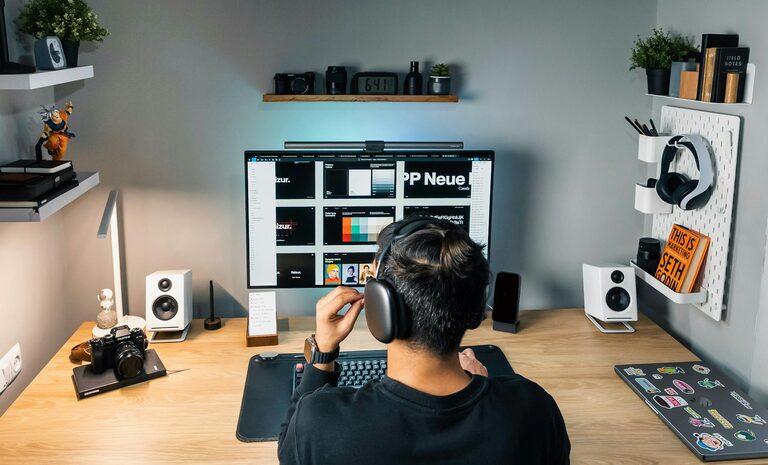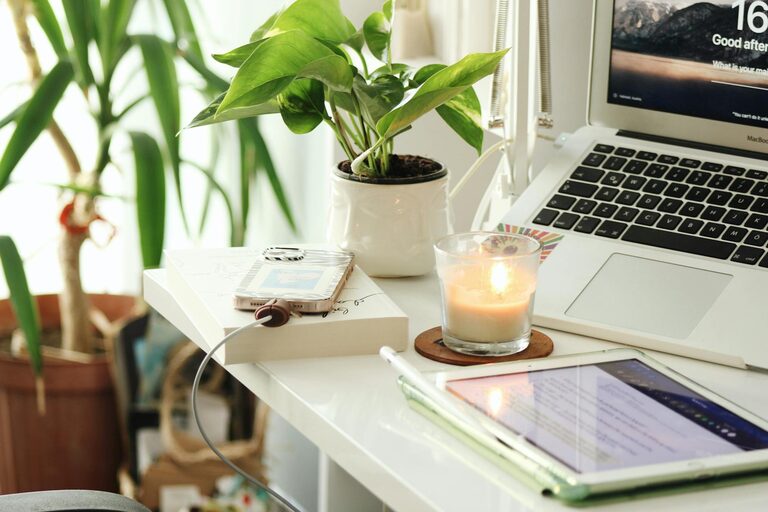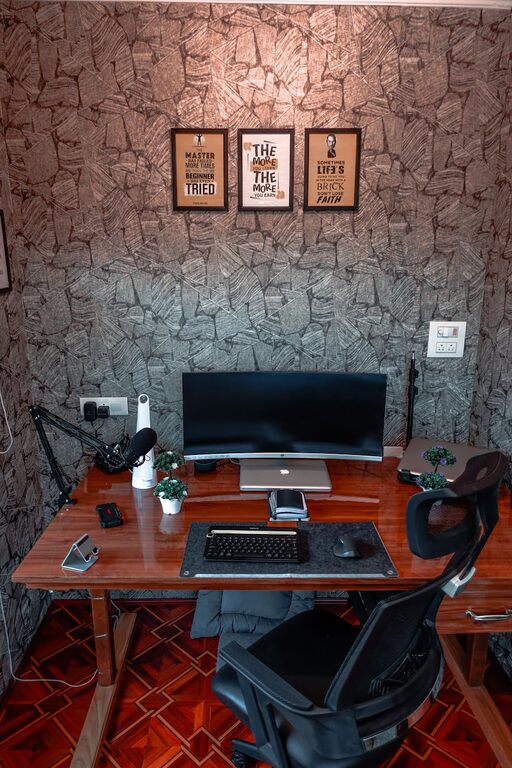

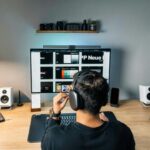


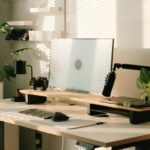

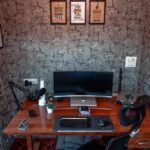

Creating a productive home office environment is essential for anyone working remotely or managing tasks from home. A well-designed workspace can improve focus, motivation, and overall work quality. Whether you have a dedicated room or a small corner, there are practical steps you can take to optimize your home office. This article offers tips to help you build a productive and comfortable workspace.
Choose the Right Location
Selecting the best spot for your home office is the first step. Ideally, it should be a quiet area with minimal distractions. If possible, pick a space with natural light, which can enhance mood and reduce eye strain.
– Avoid high-traffic areas like hallways or kitchens.
– Consider using a room divider or screen to separate your workspace.
– Ensure you have enough space for your desk, chair, and any necessary equipment.
Invest in Ergonomic Furniture
Comfort and posture play a big role in productivity. An ergonomic setup helps prevent discomfort and injuries caused by sitting for long periods.
– Choose an adjustable chair with good lumbar support.
– Use a desk at the right height to keep your arms at a 90-degree angle while typing.
– Consider a standing desk or a sit-stand converter to alternate positions during the day.
– Position your monitor at eye level to avoid neck strain.
Organize Your Workspace
A clutter-free environment can improve concentration and efficiency.
– Use shelves, drawers, or storage boxes to keep supplies organized.
– Keep only the essentials on your desk to reduce distractions.
– Cable management tools can help keep cords tidy and out of the way.
– Regularly declutter your workspace to maintain a clean and inviting area.
Optimize Lighting
Good lighting reduces eyestrain and keeps you alert.
– Place your desk near a window for natural light, but avoid glare on screens.
– Use a task lamp with adjustable brightness for focused work.
– Choose LED bulbs with a color temperature similar to daylight (around 5000K).
– Avoid harsh overhead lights that create shadows or cause flickering.
Minimize Noise and Distractions
Sound disturbances can interrupt your workflow, so managing noise is important.
– Use noise-canceling headphones or white noise machines to block distractions.
– Inform family members or housemates of your working hours to reduce interruptions.
– Close doors or use rugs and curtains to absorb sound in your workspace.
– Turn off non-essential notifications on devices.
Personalize Your Space
Adding personal touches can make your workspace more inviting and motivating.
– Decorate with plants to improve air quality and add a relaxing atmosphere.
– Display inspiring artwork or quotes to keep you motivated.
– Use colors that help you focus, such as soft blues or greens.
– Include a comfortable cushion or throw for extra coziness.
Establish a Routine
A consistent daily routine helps separate work time from home life.
– Set regular working hours and stick to them.
– Start your day with a routine to signal the beginning of work, such as a cup of coffee or a short walk.
– Take scheduled breaks to stretch and recharge.
– End your day with a ritual that helps you transition out of work mode.
Use Technology Wisely
Leveraging the right tools can streamline your work and communication.
– Choose reliable internet and hardware suitable for your tasks.
– Utilize productivity apps or project management tools to stay organized.
– Backup important files regularly to avoid data loss.
– Keep software up-to-date for security and performance.
Maintain Good Air Quality and Temperature
A comfortable environment includes fresh air and appropriate temperature settings.
– Open windows regularly or use an air purifier if needed.
– Keep your workspace well-ventilated to reduce stuffiness.
– Adjust room temperature to a comfortable level, typically between 68-72°F (20-22°C).
– Consider a small fan or heater for additional control.
Stay Active During the Day
Physical movement boosts energy and helps maintain health.
– Take short stretch breaks every hour.
– Use a reminder app to encourage movement.
– Incorporate simple exercises or yoga into your breaks.
– Consider a walk outside during lunch or after work.
—
Creating a productive home office environment requires thoughtful planning and consistent habits. By choosing the right location, investing in ergonomic furniture, managing lighting and noise, and organizing your space, you can create a work area that supports focus and well-being. Personalize your setup and maintain a healthy routine to ensure your home office helps you get the most out of your workday.