

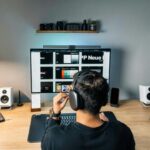


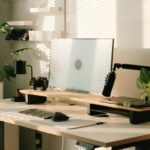




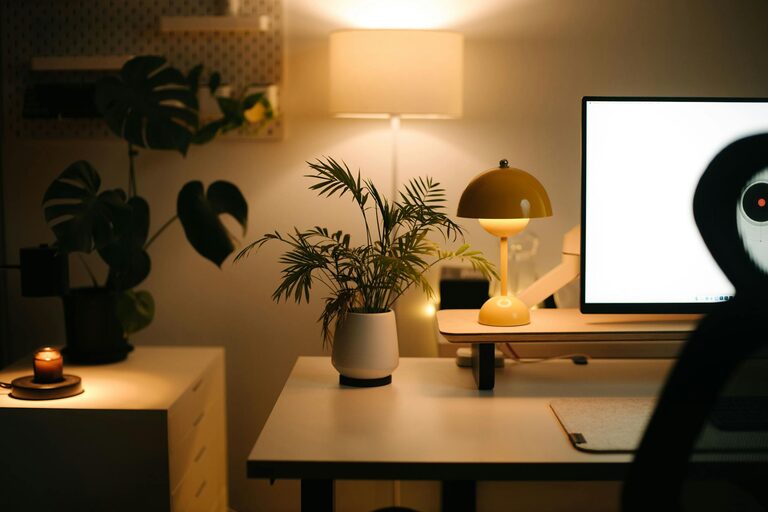
Creating a home workspace that is both cozy and productive can significantly improve your work-from-home experience. Whether you’re setting up a dedicated office room or carving out a small corner in your living space, crafting an environment that fosters focus and comfort is essential. Here are practical tips to help you design a home workspace that feels inviting while boosting productivity.
1. Choose the Right Location
Start by identifying a spot in your home that suits your work style.
– Quiet and Low Traffic: Select an area away from distractions like the TV or high-traffic zones.
– Natural Light: If possible, pick a spot near a window to take advantage of natural light, which can improve mood and reduce eye strain.
– Space for Essentials: Ensure there is enough room for your desk, chair, and other necessary equipment.
2. Invest in Comfortable, Ergonomic Furniture
A comfortable setup supports long hours of work without causing strain.
– Ergonomic Chair: Look for chairs that provide good lumbar support and adjustable height.
– Desk Height: Choose a desk that suits your height to keep your arms at a comfortable angle.
– Standing Options: Consider a sit-stand desk or add a standing desk converter to vary your posture during the day.
3. Organize Your Workspace Efficiently
Clutter can disrupt concentration and create stress.
– Use Storage Solutions: Shelves, drawers, and organizers help keep papers and supplies out of sight but within reach.
– Cable Management: Use clips, sleeves, or trays to keep cords tidy and prevent tangles.
– Minimalist Approach: Keep only essential items on your desk to maintain a clean and calming environment.
4. Personalize Your Space
Adding personal touches can make your workspace inviting and inspiring.
– Plants: Small indoor plants improve air quality and add a touch of nature.
– Artwork or Photos: Choose calming or motivating images that make you feel happy and focused.
– Soft Textures: Incorporate cushions, throws, or rugs for warmth and softness.
5. Optimize Lighting
Proper lighting reduces eye fatigue and creates a pleasant ambiance.
– Layered Lighting: Use a combination of natural light, overhead fixtures, and task lighting.
– Adjustable Desk Lamp: A lamp with adjustable brightness and direction helps illuminate documents or screens properly.
– Avoid Glare: Position screens and lights to prevent glare, which can cause discomfort.
6. Manage Noise Levels
Noise can be a major distraction, so find ways to control it.
– Noise-Canceling Headphones: These can block out background sounds if you can’t isolate your workspace.
– Soft Furnishings: Rugs, curtains, and cushions absorb sound and reduce echoes.
– White Noise Machines: Some people find ambient noise machines help mask disruptive sounds and improve focus.
7. Incorporate Break Areas or Movement
Encourage healthy routines by planning for breaks and movement.
– Stretch Zone: Leave space nearby to stretch or do light exercises.
– Comfortable Seating: A small lounge chair or floor cushion can provide an alternative spot for reading or brainstorming.
– Timers and Reminders: Use tools to remind yourself to take regular breaks for your wellbeing and productivity.
8. Keep Technology and Tools Current
Up-to-date equipment improves efficiency and reduces frustration.
– Reliable Internet Connection: Ensure your workspace has strong Wi-Fi or wired access.
– Good Quality Monitor: A larger or external monitor can reduce eye strain and increase productivity.
– Essential Accessories: Invest in keyboards, mice, and webcams that suit your needs for comfort and function.
9. Establish Workspace Boundaries
Clear boundaries help separate work from personal life.
– Dedicated Workspace: Use a specific area solely for work to create mental distinction.
– Visual Cues: A desk lamp, a calendar, or a specific object can signal work time versus leisure.
– Daily Routine: Set and stick to a schedule that includes start and stop times for work.
Final Thoughts
Designing a home workspace that is both cozy and productive is about balance. Prioritize comfort with ergonomic tools, create an environment that minimizes distractions, and personalize the space to inspire you. With thoughtful planning and organization, your home office can become a place where you enjoy spending time and accomplish your goals efficiently. Taking these steps not only benefits your work output but also your overall well-being while working remotely.