








Creating a relaxing home office environment is essential for maintaining focus, reducing stress, and boosting productivity. Whether you work full-time from home or occasionally need a workspace, your office should inspire calm and efficiency. In this post, we’ll share practical tips to design a home office that feels comfortable, organized, and inviting.
Why a Relaxing Home Office Matters
A stressful or cluttered workspace can distract you, slow down your work, and even affect your well-being. On the other hand, a relaxed and inviting environment promotes creativity, enhances concentration, and helps you enjoy the workday more. Taking time to set up your home office with attention to comfort and aesthetics pays off with better productivity.
Choose the Right Location
Your office location within your home sets the foundation for a relaxed atmosphere.
– Find a Quiet Spot: Aim for a space with minimal noise and foot traffic to reduce distractions.
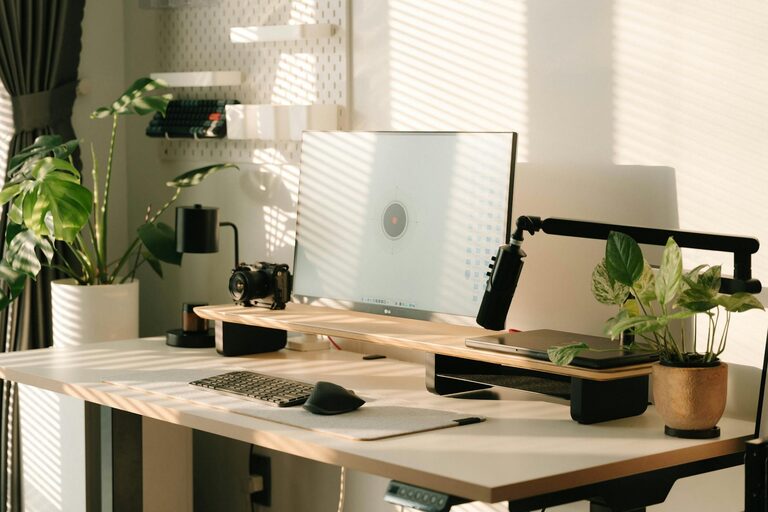
– Consider Natural Light: Position your desk near a window if possible. Natural light improves mood and focus.
– Ensure Privacy: If possible, choose a room or nook separate from busy living areas for uninterrupted work.
Invest in Comfortable Furniture
Comfort is key to preventing fatigue and maintaining productivity.
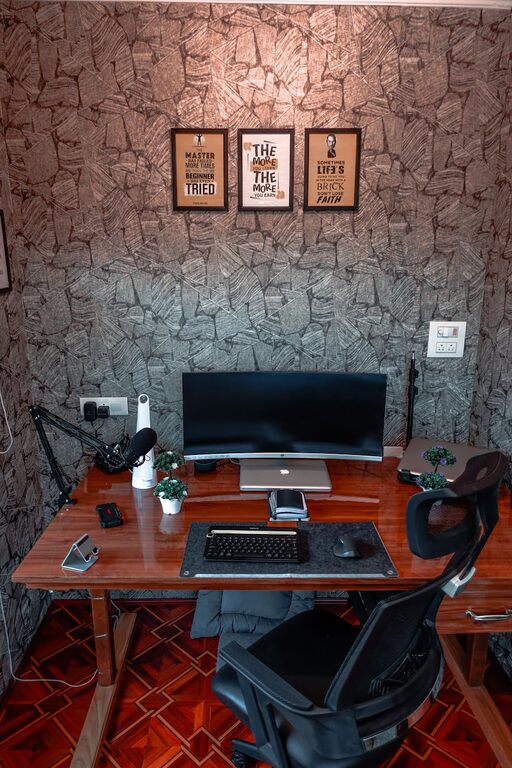
– Ergonomic Chair: Choose a chair that supports your back and encourages good posture.
– Adjustable Desk: A desk with adjustable height allows you to alternate between sitting and standing.
– Proper Desk Size: Ensure your desk has enough surface area for your monitor, keyboard, and other essentials without feeling cramped.
Organize for Clarity and Efficiency
A cluttered workspace can hinder focus. Keep your home office tidy with these strategies:
– Declutter Regularly: Remove unnecessary items and organize paperwork frequently.
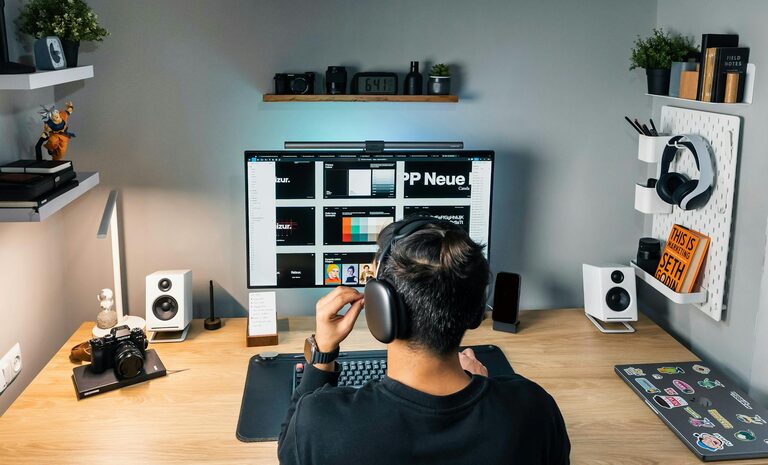
– Use Storage Solutions: Shelving, filing cabinets, and desk organizers help keep essentials within reach but off the desk surface.
– Cable Management: Use clip holders or sleeves to keep cords organized and prevent a messy look.
Add Personal and Calming Touches
Small decorative elements can make your office more inviting and reduce stress.
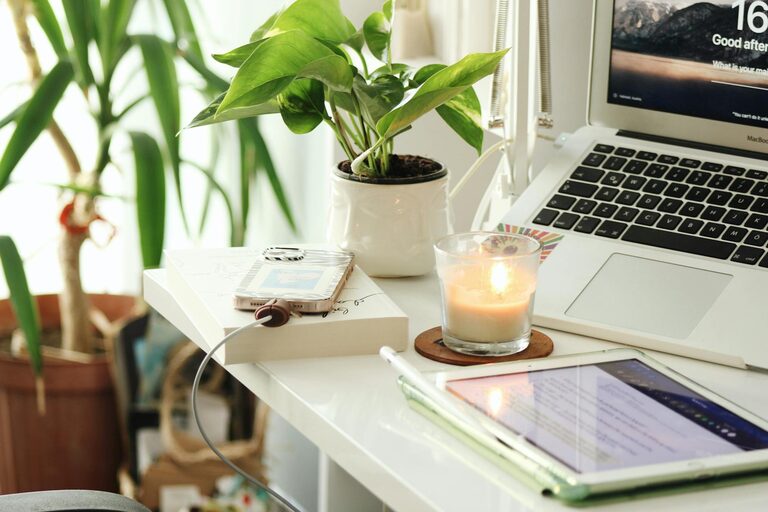
– Plants: Indoor plants improve air quality and add a peaceful vibe.
– Artwork: Use art or photos that inspire motivation or calmness.
– Soft Textures: Incorporate cushions, rugs, or curtains to create warmth and comfort.
– Scent: Consider subtle scents from candles or essential oils (if allowed) like lavender or eucalyptus to foster relaxation.
Optimize Lighting
Lighting plays a big role in comfort and energy.
– Balance Natural & Artificial Light: Avoid harsh overhead lights; use desk lamps with adjustable brightness.
– Reduce Glare: Position screens to avoid glare from windows or lights, which can cause eyestrain.
– Color Temperature: Choose bulbs with warm or natural white light to create a soothing atmosphere.
Incorporate Break Zones
If space allows, having a small area to step away can refresh your mind.
– Comfortable Chair or Bean Bag: For quick breaks or reading.
– Stretching Space: Leave room to stand and stretch to reduce tension.
– Water or Snack Station: Keep water and light snacks nearby to stay hydrated and energized.
Use Noise Control Techniques
Controlling noise can help maintain your focus.
– Noise-Canceling Headphones: Useful to block out background sounds.
– White Noise or Sound Machines: These can mask distracting noises.
– Soft Furnishings: Rugs, curtains, and cushions help absorb sound and reduce echo.
Set Clear Boundaries
To keep work and personal life balanced, establish boundaries in your home office.
– Defined Work Hours: Stick to a schedule to create a routine.
– Physical Separation: Close the door or use room dividers to separate work from rest areas.
– Dedicated Workspace: Avoid working in spaces used for relaxation or entertainment to help your brain switch between modes.
Keep Technology User-Friendly
Make sure your technology setup supports your work seamlessly.
– Reliable Internet: Stable connection reduces frustration and interruptions.
– Ergonomic Keyboard and Mouse: Reduces strain and improves comfort.
– Monitor Stand: Ensures your screen is at eye level to prevent neck pain.
Maintain Regular Clean-Up Routines
A clean workspace not only looks better but supports productivity.
– Daily Tidying: Spend a few minutes at the end of each day clearing your desk.
– Weekly Maintenance: Dust surfaces, clean screens, and organize files regularly.
Final Thoughts
Designing a relaxing home office is about blending comfort, organization, and inspiration. By carefully choosing your space, furnishing it thoughtfully, and adding personal touches, you can create an environment that supports both well-being and productivity. Remember, your workspace should work for you—adjust these tips to fit your needs and preferences.
With these ideas, you’re ready to transform your home office into a calm, productive haven. Happy working!