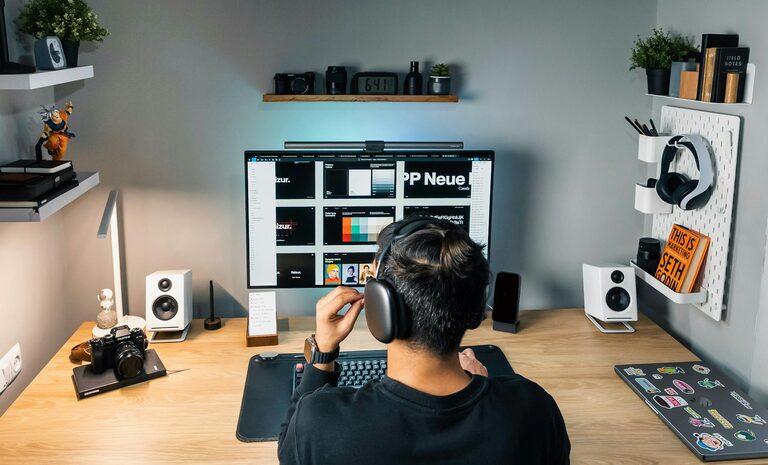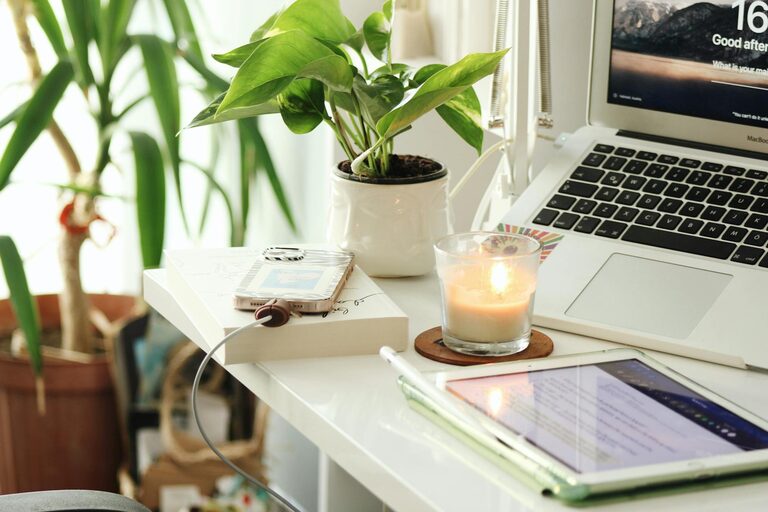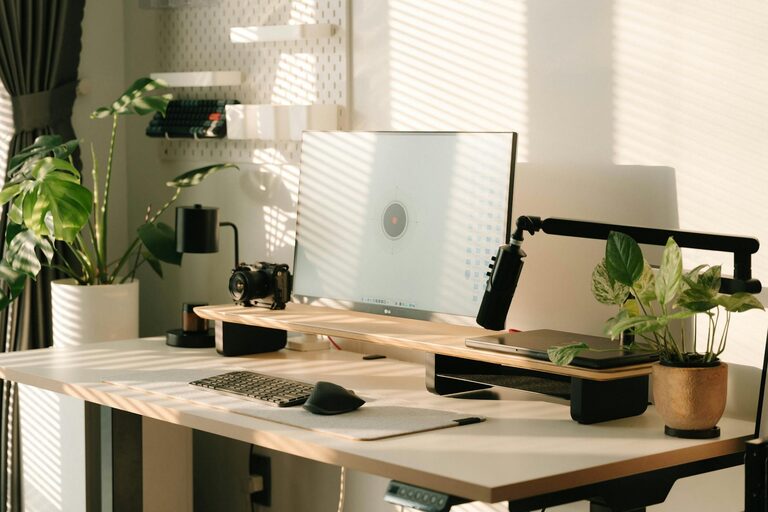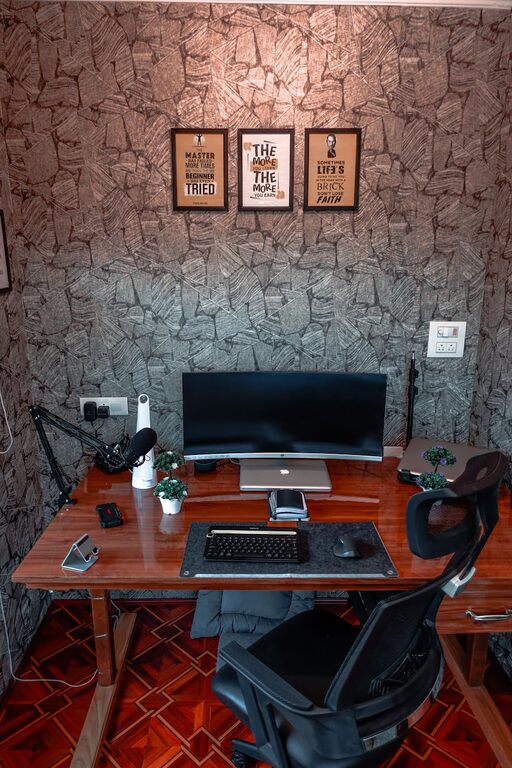










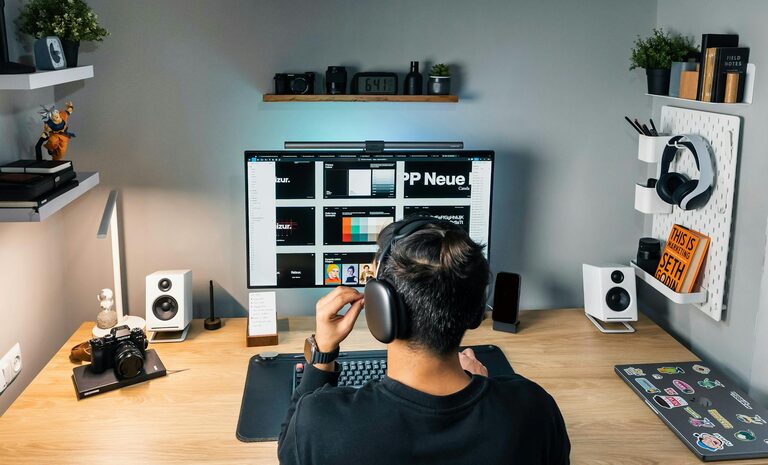
Creating a productive home office space is essential for anyone working remotely or balancing tasks at home. A well-organized and comfortable workspace can help improve focus, reduce distractions, and increase overall efficiency. Whether you have a dedicated room or just a small corner, following some simple guidelines will help you set up an environment that supports your work goals.
Choose the Right Location
The first step in creating a productive home office is selecting the best possible location. Consider these factors:
– Quiet Area: Pick a space with minimal noise to reduce interruptions.
– Good Lighting: Natural light is ideal, so choose a spot near a window if possible.
– Away from Distractions: Avoid areas near the television, kitchen, or high-traffic zones.
– Comfortable Space: Make sure there is enough room for your desk, chair, and other work essentials.
If space is tight, find a nook or corner that can be dedicated exclusively to work.
Invest in Ergonomic Furniture
Your physical comfort influences productivity significantly. Investing in ergonomic furniture helps prevent fatigue and discomfort.
– Ergonomic Chair: Choose one with good lumbar support, adjustable height, and comfortable padding.
– Desk Height: Ensure your desk allows you to work with your arms at a 90-degree angle.
– Adjustable Equipment: Consider a monitor stand or a keyboard tray to maintain proper posture.
– Footrest: If your feet don’t rest flat on the floor, use a footrest to support your legs.
Taking care of your posture will help you stay focused and avoid physical strain during long workdays.
Organize Your Workspace Efficiently
A cluttered desk can lead to a cluttered mind. Keeping your workspace tidy enhances concentration and minimizes stress.
– Declutter Regularly: Remove items you don’t need to free up space.
– Use Storage Solutions: Shelves, drawers, and organizers can help keep papers and supplies in order.
– Cable Management: Use clips or sleeves to keep cords and cables neat and out of your way.
– Keep Essentials Close: Store frequently used items within arm’s reach to avoid unnecessary interruptions.
A clean and organized office helps you start each day feeling focused and ready to work.
Maximize Lighting for Productivity
Proper lighting reduces eye strain and can improve your mood and energy levels.
– Natural Light: Position your desk near windows for daylight exposure.
– Task Lighting: Use adjustable desk lamps to provide direct light where needed.
– Avoid Glare: Place monitors perpendicular to windows to reduce screen glare.
– Balanced Lighting: Combine ambient light with task lighting to prevent harsh contrasts.
Good lighting supports clear vision and helps maintain alertness throughout the day.
Minimize Distractions
Distractions can quickly eat into your productivity. Create strategies to stay focused.
– Set Boundaries: Inform family or housemates of your work hours to limit interruptions.
– Use Noise-Cancelling Headphones: They help block background noise in noisy environments.
– Turn Off Non-Essential Notifications: Silence phone or computer notifications during focused work periods.
– Keep Personal Items Separate: Limit items unrelated to work that might divert your attention.
Designing a distraction-free zone encourages deep work and better time management.
Personalize Your Space
Adding personal touches can make your home office feel inviting and motivating.
– Inspiring Decor: Use artwork, plants, or photographs that boost your mood.
– Comfort Items: Include cushions, a blanket, or a favorite mug to enhance comfort.
– Color Choices: Use colors that stimulate productivity—blues and greens are often calming, while yellows can inspire creativity.
A personalized workspace helps you enjoy your work environment, making it easier to stay productive.
Establish Daily Routines
Having a structured routine supports productivity and work-life balance.
– Set Regular Work Hours: Define when your workday starts and ends.
– Take Breaks: Schedule short breaks every hour to recharge.
– Plan Your Day: Use to-do lists or calendars to organize tasks.
– Prepare Your Space Daily: Spend a few minutes tidying up before and after work.
Routines help create consistency and build good work habits.
Use Technology Wisely
Technology can enhance your work from home experience if used thoughtfully.
– Reliable Internet: Ensure your connection is strong to avoid disruptions.
– Productivity Apps: Use tools like task managers, calendars, and focus timers.
– Backup Plans: Have options for backup power or connectivity in case of outages.
– Ergonomic Accessories: Wireless keyboards or mice can reduce strain.
The right technology supports your work without causing frustration.
—
In conclusion, creating a productive home office space involves thoughtful planning and attention to factors like location, furniture, organization, lighting, and minimizing distractions. By personalizing your workspace and establishing routines, you can foster an environment that promotes focus and productivity every day. With these tips, your home office will become a comfortable, efficient spot that supports your professional success.