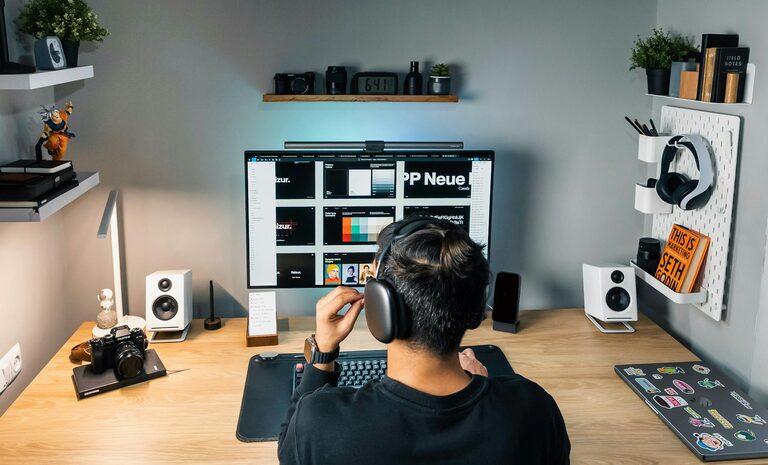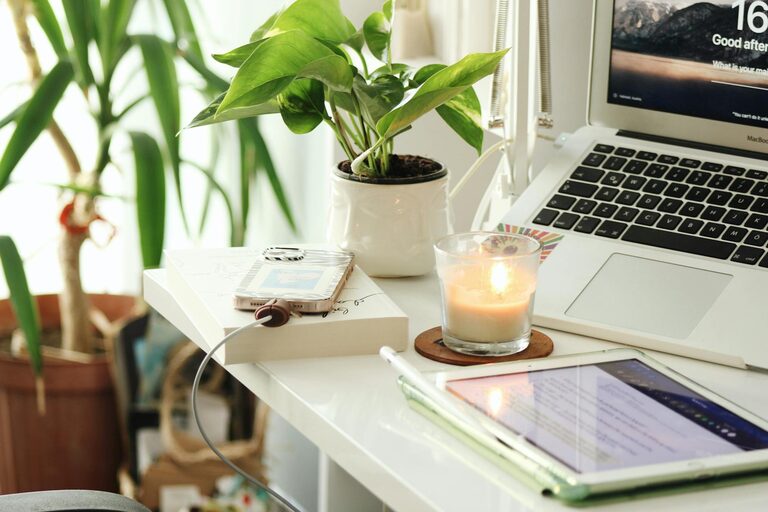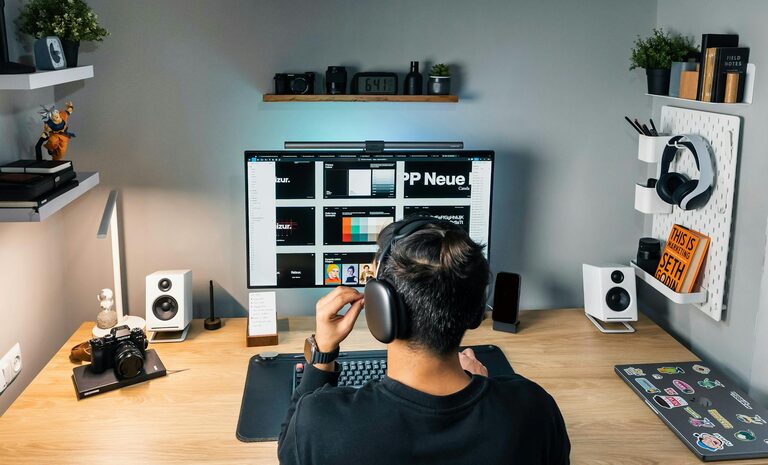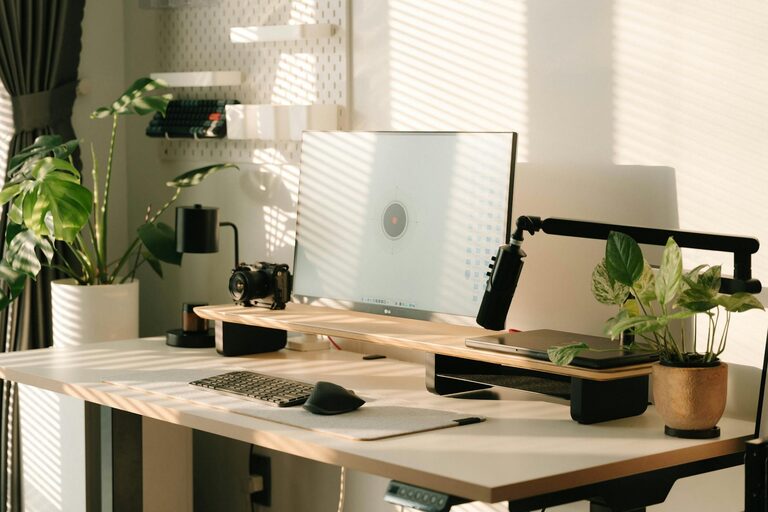










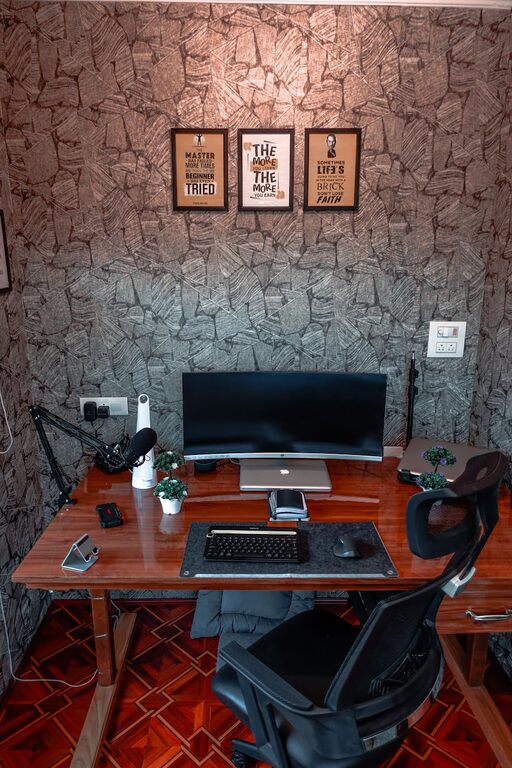
Creating a cozy and functional home workspace is essential for anyone working from home or managing tasks in a dedicated area. A well-designed space can boost your productivity, improve your mood, and make long hours of work more enjoyable. Whether you have a spare room, a corner in the living room, or just a nook, here are practical tips to help you transform your space.
1. Choose the Right Location
Pick a Low-Traffic Area
Look for a quiet spot where you can focus without frequent interruptions. This might be a spare room, a section of a bedroom, or even a corner of the dining area.
Consider Natural Light
If possible, set up your workspace near a window. Natural light reduces eye strain and can improve your mood throughout the day.
Keep Noise in Mind
If you live with others, choose a spot away from noisy areas like the kitchen or TV room. Noise-cancelling headphones are a good backup option if you can’t avoid distractions.
2. Invest in Ergonomic Furniture
Comfortable Chair and Desk
Your chair should support your lower back and allow for adjustable height to match your desk. A spacious desk with enough room for your computer, notebook, and other essentials is important.
Monitor Positioning
Place your monitor at eye level and about an arm’s length away. This setup helps prevent neck and eye strain.
Adjustable Options
Consider adjustable desks or sit-stand converters to alternate between sitting and standing during the day, promoting better posture and health.
3. Focus on Lighting
Use Layered Lighting
Combine natural light with ambient lighting and task lighting. Desk lamps with adjustable brightness help reduce eye fatigue.
Avoid Glare
Position monitors perpendicular to windows to minimize reflections and glare on your screen.
Choose Warm Light
Soft, warm white light creates a cozy atmosphere and reduces harshness, especially during evening hours.
4. Add Personal Touches
Decorate Thoughtfully
Incorporate items that inspire you—like artwork, plants, or photos. A few well-chosen pieces add personality without causing clutter.
Use Color Wisely
Soft, calming colors like light blues, greens, or neutrals encourage focus and relaxation. Bright colors can be used as accents to energize the space.
Bring in Greenery
Plants improve air quality and create a calming environment. Choose low-maintenance indoor plants that thrive in your workspace conditions.
5. Stay Organized
Storage Solutions
Use shelves, drawers, and baskets to keep supplies neat and accessible. Vertical storage maximizes limited space.
Cable Management
Keep cords organized with clips, sleeves, or under-desk trays to avoid tangles and hazards.
Declutter Regularly
Set a weekly routine to tidy up your workspace and toss unnecessary items. A clean area supports mental clarity.
6. Incorporate Functional Technology
Reliable Internet and Equipment
Ensure your internet connection is strong, and your devices are up-to-date to prevent frustrations.
Use Productivity Tools
Apps for time management, note-taking, and task tracking help keep you organized and focused.
Backup Power Source
Consider a surge protector or backup battery, especially if your area experiences power fluctuations.
7. Create Boundaries Between Work and Leisure
Define Workspace Limits
Keep work materials in your designated area to separate work from personal life.
Use Visual Cues
A specific desk or chair signals it’s time to work, helping your brain switch into focus mode.
End-of-Day Ritual
At the end of your workday, turn off your computer and tidy your desk to mentally “leave” work behind.
8. Pay Attention to Comfort
Temperature Control
Make sure your workspace is neither too hot nor too cold. A fan, heater, or humidifier can improve comfort.
Soft Textiles
Add cushions, rugs, or blankets for a warm, inviting feel.
Regular Breaks
Stand, stretch, and move around often to avoid stiffness and fatigue during work hours.
—
Designing your home workspace with these tips in mind will help you create a spot that feels welcoming and encourages productivity. Small adjustments can make a big difference in how you approach your work each day. Remember, the goal is to combine comfort with function to support your best work in a space you enjoy spending time in.